
Why AI-Powered Personalization is the Future of eCommerce Apps
By Ekam | August 5, 2025
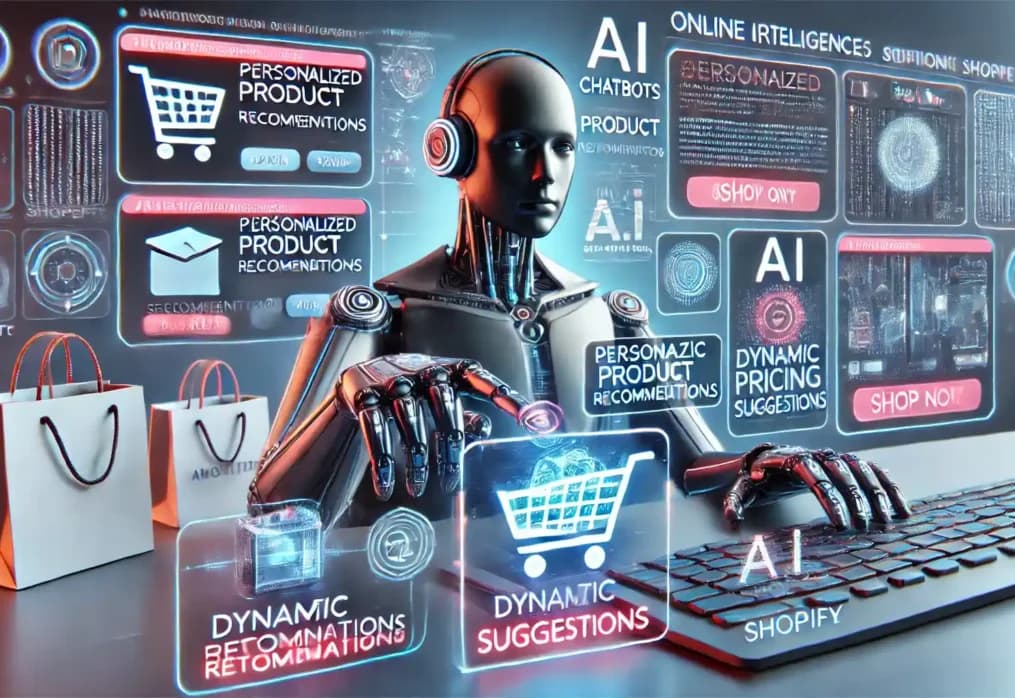
In today’s fast-growing online market, just giving the same experience to every customer is not enough. People now want a shopping experience that feels personal — where the app understands their likes, needs, and habits. They prefer to buy from businesses that show them the right products at the right time.
This is where AI-powered personalization is changing the way eCommerce apps work. Let’s explore how AI personalization works, why it is the future of eCommerce apps, and how it can help your business grow faster.
What is AI-Powered Personalization?
AI-powered personalization refers to the use of machine learning (ML), natural language processing (NLP), and data analytics to customize the user experience for each individual customer. From personalized product recommendations to dynamic pricing and targeted marketing, AI enables eCommerce apps to serve the right content to the right user at the right time.
How AND WHY AI Personalization Works in eCommerce
1. User Behavior Tracking – Understanding What Users Do
AI starts by tracking how users interact with the app. Every time a user visits your eCommerce app or website, AI systems quietly observe their actions, such as:
* What products they browse
* What keywords they searc
* Which products they click on
* How long they stay on a product page
* What they add to cart or wishlis
All this data is collected and stored to understand user interests and preferences.
Real-Life Example:
If a customer often searches for “running shoes” and checks sports shoe brands, AI will learn that this person is interested in fitness-related products. Next time they visit, the app may highlight trending sports shoes .
2. Customer Segmentation – Grouping Users Based on Behavior
Once AI has enough behavior data, it groups users into segments based on what they like and how they shop. This is known as customer segmentation.
AI might group users into:
* Frequent Shoppers – people who order regularly
* Discount Seekers – users who buy only during sales or use coupons
* High-Spending Customers – those who often buy premium products
* New Users – people who just created an account
This helps the app send different offers or messages to different groups, making the experience more personalized.
Real-Life Example:
A frequent shopper might get a “Thank You Loyalty Offer”, while a new user may receive a “First-Time 10% Off” deal. Same app, but different experiences for different users
3. Predictive Analytics – Knowing What Users Might Buy Next
This is one of the most powerful parts of AI.
AI uses machine learning models to study the customer’s past behavior, buying habits, and patterns — and then predicts what they might need next.
For example, if someone buys a phone, AI might predict they’ll soon need:
* A phone cover
* A screen protector
* Wireless earphones
By showing these products early, AI helps increase the chances of a sale.
Real-Life Example:
If a customer recently bought a baby stroller, the AI might recommend baby clothes and many other things because it understands the customer journey.
4. Dynamic Pricing – Offering Smart Prices Based on Data
AI doesn’t just personalize product recommendations — it can also adjust prices based on the user’s behavior, product demand, location, and even competitor pricing. This is called dynamic pricing.
AI checks:
* How often the product is viewed
* Whether it’s in high demand
* What prices are offered by other platforms
* Whether the customer is a regular buyer or new visitor
Based on all this, AI can increase, decrease, or offer a special price in real-time — helping businesses maximize sales and profits.
Real-Life Example:
If a customer has been checking the same smartwatch for a week but hasn’t bought it yet, AI may offer a limited-time discount like “Buy now and save ₹500” to encourage quick purchase.
5. Personalized Notifications & Emails – Reaching Users at the Right Time
AI also helps in sending targeted notifications, emails, and SMS to users. These messages are not sent randomly — they are based on the user’s interests and behavior.
AI decides:
Example :
* What message to send
* When to send it (best time)
* What product or offer to include
This helps improve user engagement, bring users back to the app, and increase chances of sales.
Real-Life Example:
If someone added shoes to their cart but didn’t complete the purchase, AI can send a message like:
“Your cart is waiting! Get 10% off if you complete your order in the next 2 hours.”
Key Benefits of AI-Powered Personalization in eCommerce Apps
AI-powered personalization is not just a feature — it’s a powerful growth strategy for any eCommerce business. By using AI to understand each customer’s preferences and behavior, you can offer a shopping experience that feels smarter, faster, and more helpful.Let’s explore the major benefits in detail:
1. Enhanced Customer Experience:
When customers visit your app or website, they don’t want to browse through hundreds of irrelevant products. They want to see what they are actually interested in.
AI helps by showing:
* Relevant product suggestions
* Smart search results
This makes the entire shopping journey smooth, enjoyable, and meaningful. Customers feel like the app understands them which builds trust and satisfaction.
Real-Life Example:
If a customer mostly buys eco-friendly products, the app can highlight “green deals” or “sustainable choices” as soon as they log in.
2. Increased Conversions and Sales
One of the biggest advantages of AI personalization is the boost in percentage of users who actually buy something.Why? Because AI shows the right products to the right person at the right time.When customers find exactly what they want — or even something better than they expected — they’re much more likely to make a purchase.
Real-Life Example:
If a customer adds a dress to their cart, the app can instantly show matching footwear or accessories. These personalized suggestions often lead to purchases, increasing the total order value.
3. Higher Customer Retention
It’s always cheaper to retain an old customer than to get a new one.With AI, you can deliver consistently great experiences that keep users happy — so they keep coming back.
Personalization helps in:
* Recommending new items based on past purchases
* Sending reminders for items left in the cart
This builds long-term customer relationships, which is key for sustainable growth.
Real-Life Example
If a customer regularly buys baby products, the app can track the child’s age and offer age-appropriate items as time goes on — like baby food, then toddler toys, then school supplies. This kind of smart experience increases loyalty and value.
4. Reduced Cart Abandonment
One of the biggest challenges in eCommerce is cart abandonment — when users add items to their cart but leave without buying.
AI helps reduce this by:
* Sending gentle reminders about the items
* Offering a small discount to complete the purchase
* Creating urgency with “Only 2 left in stock” alerts
This personalized re-engagement strategy brings users back and helps recover sales that would otherwise be lost.
Real-Life Example:
A customer adds a smartwatch to the cart but doesn’t check out. After 24 hours, the app sends an email saying:
“Still thinking? Here's 10% off on your favorite smartwatch – only for today!”
5. Better Inventory Management
AI personalization doesn’t only help customers — it also helps business operations, especially inventory planning.
By analyzing what users are browsing, buying, or ignoring, AI can predict:
* Which products are in high demand
* What items are likely to sell soon
* Which categories need restocking
* Which products may need to go on sale or be removed
This helps businesses optimize stock levels, avoid over-ordering or under-stocking.
Real-Life Example:
If AI detects that a certain T-shirt design is getting a lot of views and purchases, it can alert the system to increase stock, even before it sells out. Similarly, if a product isn’t getting clicks, it can be replaced or discounted quickly.
Real-World Use Cases of AI in eCommerce
Amazon
Uses AI for product recommendation , personalized search results, and voice-driven shopping through Alexa.
Conclusion
In today’s digital world, customers expect more from online shopping. They want the app or website to understand their likes, suggest the right products, and give them a smooth and quick experience. This is exactly what AI-powered personalization makes possible and that’s why it’s changing the future of eCommerce.
From helping businesses get more sales and loyal customers to improving marketing and managing stock better .AI allows companies to deliver faster, smarter, and more useful experiences at every stage.
At Nugen IT Services, we don’t just follow the latest technology — we help businesses lead with it. Our expert team creates intelligent, customized eCommerce solutions using advanced AI tools. Whether you're building a new app or upgrading an old one, we’re here to help you offer a shopping experience that customers will love — and come back to.
Written by Ekam, Discover how AI-powered personalization is transforming eCommerce apps by delivering tailored shopping experiences. Learn why personalized recommendations, dynamic content, and smart automation are key to driving engagement, loyalty, and faster business growth.